
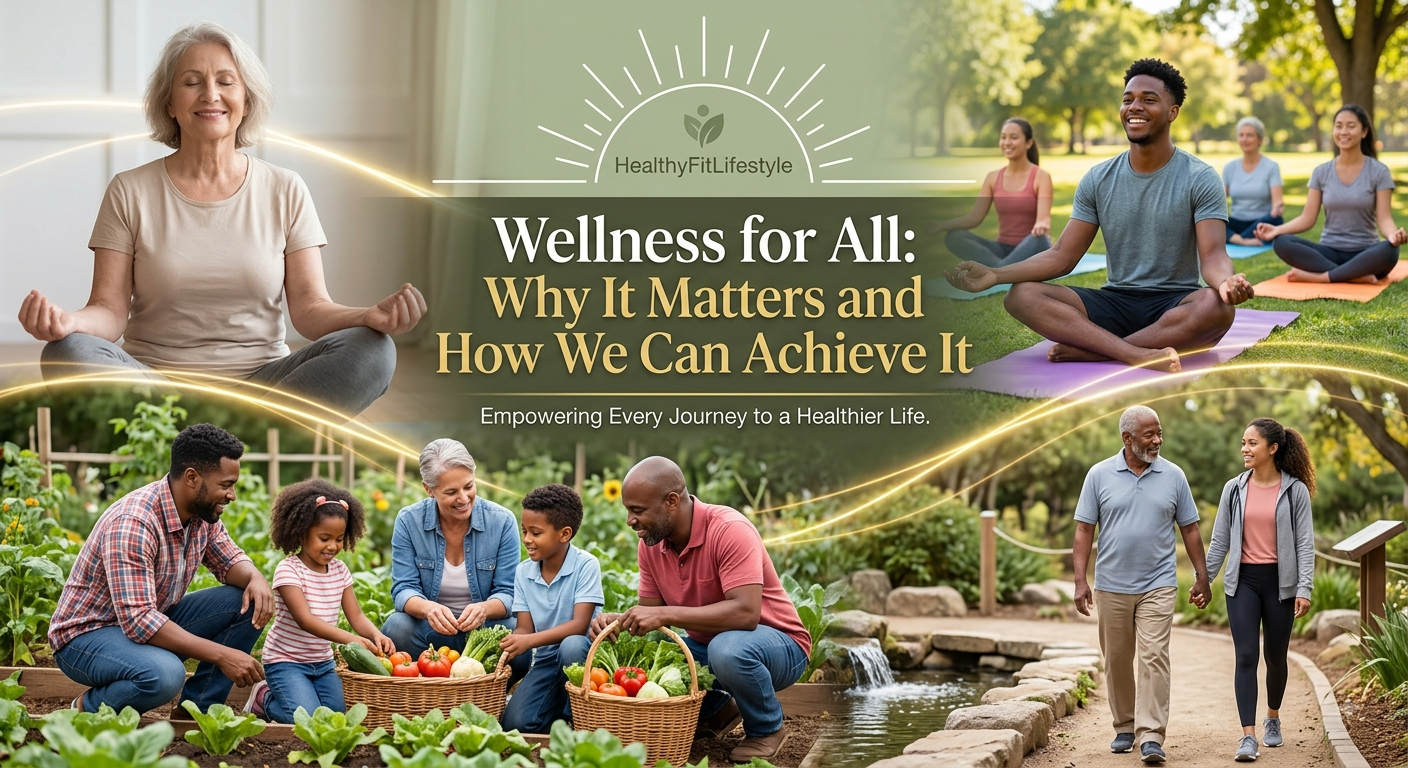

True wellness is not a privilege for a few—it is a necessity for everyone.
In today’s fast-paced world, the pursuit of success often takes precedence over personal well-
being. Long working hours, sedentary lifestyles, unhealthy eating habits, stress, pollution,
and increasing dependence on technology have significantly impacted people’s health across
all age groups. While healthcare systems focus on treating illnesses, true well-being begins
much earlier—with wellness.
The concept of “Wellness for All” emphasizes that every individual, regardless of age,
gender, occupation, income, or geographical location, deserves the opportunity to lead a
healthy, balanced, and fulfilling life. Wellness extends beyond the absence of disease; it
encompasses physical vitality, mental resilience, emotional stability, meaningful
relationships, and a healthy environment.
At Healthy Fit Life Style, we believe that wellness should be accessible, affordable, and
achievable for everyone. Creating a healthier society begins with empowering individuals to
make informed lifestyle choices every day.
Understanding Wellness
Wellness is a continuous process of making conscious decisions that improve overall quality
of life. Unlike healthcare, which often focuses on curing illness, wellness emphasizes
prevention, balance, and personal responsibility.
Holistic wellness generally includes several interconnected dimensions:
Physical Wellness: Maintaining a healthy body through proper nutrition, exercise,
sleep, and preventive healthcare.
Mental Wellness: Developing resilience, managing stress, and maintaining a positive
mindset.
Emotional Wellness: Understanding and expressing emotions in healthy ways while
building self-confidence and emotional intelligence.
Social Wellness: Creating meaningful relationships and contributing positively to
family and society.
Environmental Wellness: Living in surroundings that support health while
protecting natural resources.
Occupational Wellness: Finding satisfaction, purpose, and balance in professional
life.
These dimensions influence one another. Neglecting one aspect often affects the others.
Why Wellness for All Is More Important Than Ever
Modern lifestyles have introduced several challenges that affect our well-being.
Chronic diseases such as diabetes, obesity, hypertension, and heart disease are becoming
increasingly common, even among young adults. Mental health concerns including anxiety,
depression, and burnout continue to rise. Many people spend long hours sitting at desks,
consume highly processed foods, and experience limited opportunities for physical activity.
Access to reliable health information also varies significantly, creating disparities in
awareness and preventive care.
Promoting wellness for everyone helps reduce these challenges while improving productivity,
quality of life, and long-term health outcomes.
Benefits of Adopting a Wellness-Oriented Lifestyle
Choosing wellness offers benefits that extend far beyond physical fitness.
Better Physical Health
Regular exercise, nutritious eating, adequate hydration, and quality sleep strengthen
immunity, improve cardiovascular health, and reduce the risk of lifestyle-related diseases.
Improved Mental Well-being
Practices such as mindfulness, meditation, and maintaining healthy social relationships help
reduce stress while improving focus, creativity, and emotional resilience.
Higher Productivity
Healthy individuals generally have greater energy, improved concentration, and better
decision-making abilities, leading to enhanced performance at work and in daily life.
Stronger Communities
When families, workplaces, schools, and communities prioritize wellness, healthier
behaviours become easier to adopt and sustain.
Barriers to Wellness
Despite understanding its importance, many people struggle to maintain healthy lifestyles due
to various challenges.
Some common barriers include:
Busy schedules
Financial constraints
Limited access to nutritious food
Lack of safe spaces for physical activity
Poor work-life balance
Digital distractions
Insufficient awareness about preventive healthcare
Recognizing these barriers is the first step toward finding practical solutions.
How Can We Achieve Wellness for All?
Achieving universal wellness requires both personal commitment and collective action.
- Make Physical Activity a Daily Habit
Regular exercise does not necessarily require expensive gym memberships. Walking, cycling,
yoga, stretching, dancing, or home workouts can significantly improve physical fitness.
Health experts recommend at least 150 minutes of moderate physical activity each week. - Choose Nutritious Foods
A balanced diet should include:
Fresh fruits
Vegetables
Whole grains
Lean proteins
Healthy fats
Adequate water
Reducing the intake of sugary drinks, processed foods, and excessive salt can greatly improve
long-term health. - Prioritize Mental Health
Mental wellness deserves equal attention.
Simple practices include:
Meditation
Deep breathing
Journaling
Spending time in nature
Talking openly about emotions
Seeking professional support when necessary
Mental health should never be viewed as a stigma.
- Get Enough Sleep
Sleep is essential for physical recovery, memory, immunity, and emotional balance.
Adults should aim for 7–9 hours of quality sleep each night. - Build Healthy Relationships
Supportive relationships improve emotional well-being and reduce feelings of loneliness.
Spending quality time with family and friends strengthens social wellness while enhancing
overall happiness. - Create Healthy Workplaces
Organizations play an important role by encouraging flexible work environments, regular
breaks, employee wellness initiatives, and mental health support.
Healthy employees contribute to stronger organizations. - Promote Health Education
Governments, schools, healthcare providers, and media should work together to improve
health literacy. Better awareness enables people to make informed decisions regarding
nutrition, exercise, disease prevention, and overall well-being.
The Role of Technology in Wellness
Technology can be a valuable tool when used wisely.
Fitness trackers, meditation apps, online workout programs, telemedicine services, and
wearable health devices help individuals monitor and improve their health.
However, maintaining a healthy balance between screen time and real-life activities remains
equally important.
Wellness Is a Shared Responsibility
Creating a healthier society cannot depend solely on individuals.
Families should encourage healthy habits from childhood.
Schools should integrate health education into everyday learning.
Employers should promote workplace wellness.
Healthcare professionals should emphasize prevention alongside treatment.
Governments should invest in accessible healthcare, public parks, safe walking spaces, and
awareness campaigns.
When communities work together, wellness becomes achievable for everyone.
Wellness is not a destination but a lifelong journey. It is built through everyday
decisions—choosing nutritious meals, staying active, managing stress, maintaining
meaningful relationships, and prioritizing both physical and mental health.
The vision of “Wellness for All” reminds us that good health should never be limited by age,
income, profession, or location. Every individual deserves the opportunity to live a healthy,
productive, and fulfilling life.
At Healthy Fit Life Style, we believe that even the smallest positive habit can create lasting
change. Whether it’s taking a morning walk, drinking more water, preparing healthier meals,
or practicing mindfulness for a few minutes each day, every step contributes to a healthier
future.
Remember, wellness begins with awareness, grows through consistency, and flourishes when
shared with others.
Because when wellness becomes everyone’s priority, healthier families, stronger
communities, and a better future naturally follow.