
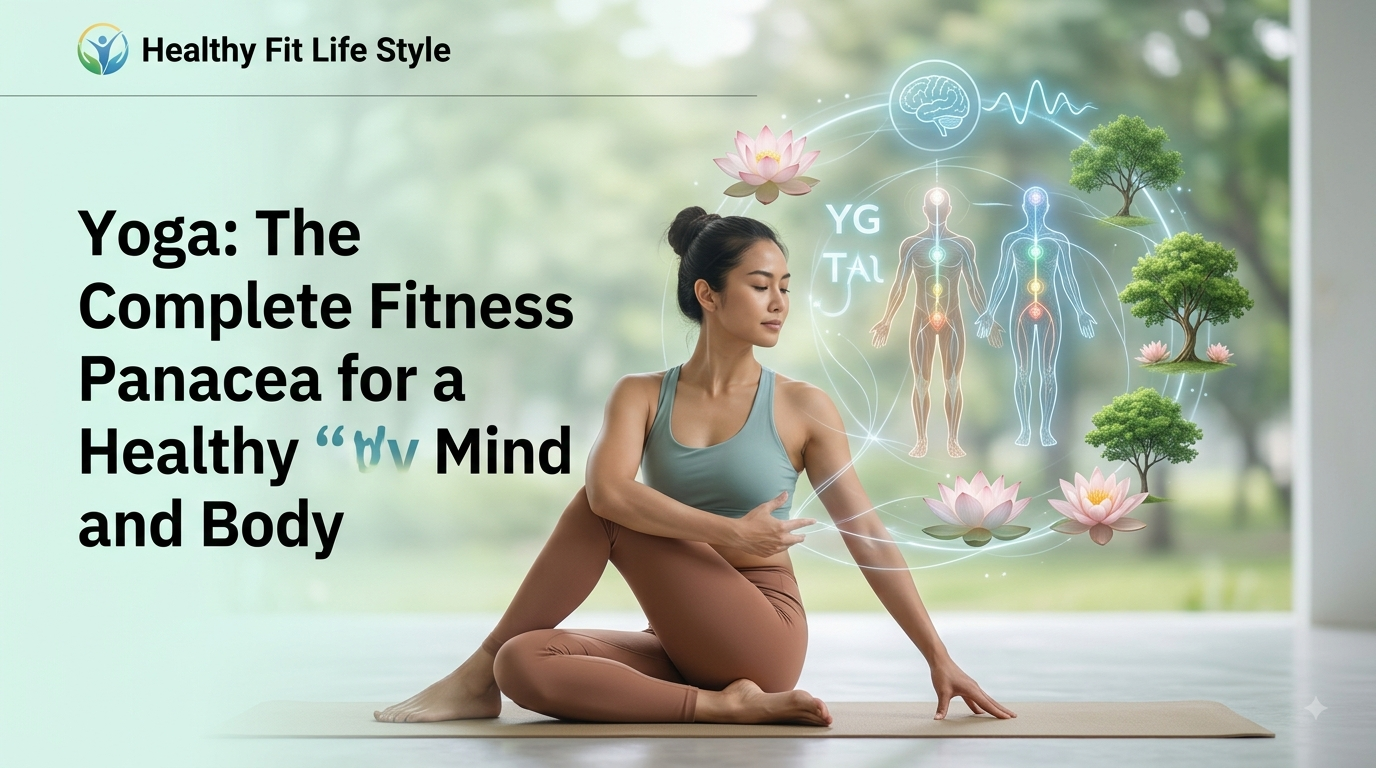

True fitness is not measured only by muscles or body weight—it is reflected in a healthy
body, a calm mind, and a balanced life. Yoga brings all these elements together.
In today’s demanding world, fitness is often associated with intense workouts, calorie
counting, and achieving a particular body shape. While physical exercise is undoubtedly
important, true health extends far beyond appearance. It includes mental peace, emotional
balance, flexibility, strength, endurance, and the ability to lead a fulfilling life. This is where
yoga stands apart as one of the most comprehensive systems of health and wellness.
Originating in ancient India more than 5,000 years ago, yoga has evolved into a globally
recognized practice embraced by millions of people. Celebrated every year on International
Day of Yoga (21 June), it is now regarded as one of the most effective approaches to
achieving holistic well-being. Unlike many fitness routines that focus primarily on physical
development, yoga nurtures the body, mind, and spirit simultaneously.
At Healthy Fit Life Style, we believe yoga is not merely a form of exercise—it is a way of
life that empowers individuals to achieve sustainable health and happiness.
What Makes Yoga a Complete Fitness Panacea?
The word “panacea” refers to a solution capable of addressing a wide range of problems.
While no single practice can cure every illness, yoga comes remarkably close in promoting
comprehensive wellness. It integrates physical movement, breathing techniques, mindfulness,
and relaxation into one practice, making it suitable for people of all ages and fitness levels.
Unlike high-impact workouts, yoga focuses on gradual improvement. Every posture, breath,
and moment of awareness contributes to overall well-being, making it an effective long-term
fitness companion.
Physical Benefits of Yoga
Improves Flexibility and Mobility
One of the first changes people notice after practicing yoga regularly is increased flexibility.
Tight muscles gradually become more relaxed, joints move more freely, and everyday
movements become easier. Better flexibility also lowers the risk of muscle strains and
injuries.
Builds Functional Strength
Many yoga postures require supporting your own body weight, strengthening muscles in the
arms, legs, back, abdomen, and core. Rather than building isolated muscle groups, yoga
develops balanced strength that enhances posture and daily activities.
Enhances Balance and Coordination
Standing poses such as Tree Pose and Warrior III improve stability and coordination. Good
balance is particularly important for older adults, helping reduce the risk of falls and
improving confidence in movement.
Supports Heart Health
Gentle yoga combined with controlled breathing can contribute to healthy blood circulation
and support cardiovascular wellness. Regular practice may also help manage blood pressure
and improve overall endurance when combined with a healthy lifestyle.
Improves Posture
Hours spent sitting at desks or using smartphones often lead to poor posture and back pain.
Yoga strengthens the muscles supporting the spine, increases body awareness, and
encourages proper alignment, helping relieve stiffness and discomfort.
Mental and Emotional Wellness Through Yoga
The benefits of yoga extend well beyond physical fitness.
Reduces Stress
Modern life exposes us to constant deadlines, digital distractions, and emotional pressures.
Yoga encourages deep breathing and mindful movement, helping activate the body’s natural
relaxation response. Many practitioners report feeling calmer and more focused after even a
short session.
Improves Mental Clarity
Meditation and breathing exercises practiced alongside yoga help improve concentration,
memory, and decision-making. By reducing mental clutter, yoga allows individuals to
approach daily challenges with greater clarity.
Promotes Emotional Balance
Yoga encourages self-awareness and emotional regulation. It teaches individuals to respond
thoughtfully rather than react impulsively, fostering patience, resilience, and inner peace.
Supports Better Sleep
Many people struggle with poor sleep due to stress or excessive screen time. Evening yoga
sessions and relaxation techniques can help the body unwind, making it easier to fall asleep
and enjoy more restorative rest.
Yoga for Every Stage of Life
One of yoga’s greatest strengths is its adaptability.
Children can improve flexibility, concentration, and discipline.
Students can reduce academic stress and enhance focus.
Working professionals can manage sedentary lifestyles and workplace stress.
Older adults can improve mobility, balance, and independence.
Beginners can start with gentle poses and gradually progress at their own pace.
Because yoga can be modified to suit individual abilities, it is one of the few fitness practices
that truly supports lifelong wellness.
Yoga and Lifestyle Diseases
Lifestyle-related conditions such as obesity, hypertension, diabetes, and anxiety have become
increasingly common. Although yoga is not a substitute for professional medical care, it can
complement healthy eating, regular medical advice, and prescribed treatment by promoting
physical activity, stress management, and healthier daily habits.
Its emphasis on consistency rather than intensity makes it particularly valuable for long-term
wellness.
Building a Daily Yoga Habit
Starting yoga does not require expensive equipment or advanced skills. A yoga mat,
comfortable clothing, and a willingness to learn are often enough.
Some simple tips include:
Practice for 20–30 minutes each day.
Begin with basic stretches and breathing exercises.
Focus on correct posture rather than perfection.
Listen to your body and avoid overexertion.
Combine yoga with a balanced diet and adequate hydration.
Practice mindfulness both on and off the mat.
Consistency is more important than duration. Even a short daily practice can produce
meaningful improvements over time.
Common Misconceptions About Yoga
Many people hesitate to begin yoga because of misconceptions.
“I need to be flexible before starting.”
Flexibility develops through practice—you do not need it beforehand.
“Yoga is only for young people.”
Yoga can be adapted for people of all ages and abilities.
“Yoga is not a real workout.”
Many yoga styles build strength, endurance, and cardiovascular fitness while also improving
flexibility and balance.
“Yoga only focuses on physical postures.”
Yoga also includes breathing techniques, mindfulness, meditation, and relaxation, making it a
holistic approach to health.
Yoga and Holistic Wellness
Yoga reminds us that fitness is not simply about burning calories or achieving a particular
appearance. True wellness involves caring for the body, calming the mind, nurturing
emotional resilience, and cultivating healthy habits.
When combined with nutritious eating, sufficient sleep, hydration, and regular movement,
yoga becomes a powerful foundation for lifelong health.
In a world where stress, inactivity, and lifestyle-related illnesses continue to rise, yoga offers
a timeless path toward better health. Its ability to strengthen the body, calm the mind,
improve emotional well-being, and encourage mindful living makes it one of the most
comprehensive wellness practices available.
The beauty of yoga lies in its simplicity. You do not need expensive equipment, advanced
fitness levels, or hours of free time to experience its benefits. All you need is consistency,
patience, and the willingness to begin.
At Healthy Fit Life Style, we encourage everyone to embrace yoga not merely as an exercise
routine but as a lifelong companion in the journey toward holistic wellness.
Roll out your yoga mat, take a deep breath, and begin today. Every pose, every breath,
and every mindful moment brings you one step closer to a healthier, stronger, and
happier life.