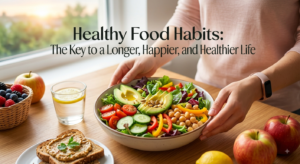


Healthy eating doesn’t have to mean giving up the foods you love.
If you’ve ever started a “perfect” diet only to give up after a few days because you missed your favorite pizza, dessert, burger, or snack, you’re not alone.
The problem may not be your willpower. Sometimes, the problem is an approach to eating that is simply too restrictive to maintain.
This is where the 80/20 approach to healthy eating can be useful.
The basic idea is simple: make nutritious foods the foundation of your diet most of the time while leaving some room for foods you enjoy.
It isn’t about being perfect. It’s about finding a balance that you can actually maintain.
The 80/20 rule is a simple way of thinking about your overall eating pattern.
You can aim for roughly:
80% → Nutrient-rich, nourishing foods
20% → Foods you enjoy
The percentages aren’t meant to be exact mathematical rules. You don’t need to calculate every bite of food you eat.
Instead, think of 80/20 as a flexible framework that encourages healthy choices without creating an “all-or-nothing” mindset.
For example, most of your meals might include vegetables, fruits, whole grains, pulses, dairy or alternatives, nuts, seeds, and protein-rich foods, while you occasionally enjoy your favorite dessert, chips, restaurant meal, or pizza.
Why Is the 80/20 Approach Sustainable?
One of the biggest advantages of a flexible approach to healthy eating is that it can help you move away from an all-or-nothing mindset. Strict diets can sometimes make people feel that certain foods are completely forbidden. When those foods are eventually eaten, a person may feel guilty and think that they have failed. This can lead to abandoning the diet altogether and starting again later.
The 80/20 approach encourages a different mindset.
Instead of thinking, “I ate pizza, so my diet is ruined,” you can think, “I enjoyed a meal I like, and I can continue making balanced choices at my next meal.” This way of thinking makes healthy eating less stressful and more realistic because it allows room for normal life, social occasions, celebrations, travel, and spontaneous meals.
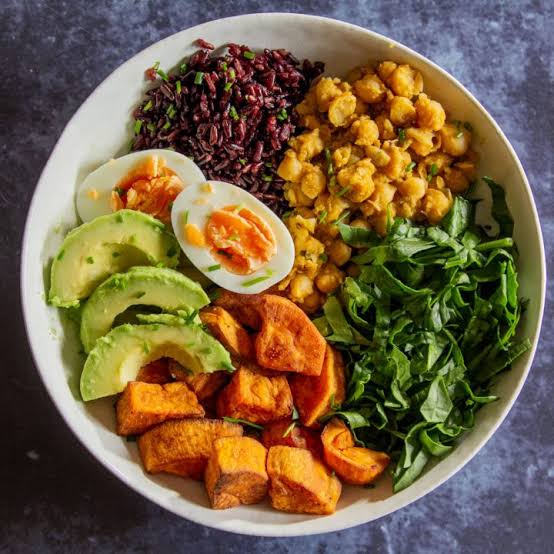
The 80% side should focus on foods that provide important nutrients and support your overall dietary pattern.
Think:
Vegetables, Fruits, Whole Grains Beans and lentils, Eggs and other protein-rich foods, Nuts and seeds, Water and other appropriate fluids.
The goal isn’t to make every meal “perfect.” It’s to make nutritious foods the foundation of your routine.
This is the part many people love.
The 20% gives you room for foods that may not be especially nutrient-dense but that you genuinely enjoy.
That could include:
Eating these foods occasionally doesn’t mean you’ve “ruined” your healthy lifestyle.
One meal doesn’t define your diet. Your overall eating pattern matters more.
Healthy Eating Is About Balance, Not Perfection
It is important to understand that the 80/20 rule is not a mathematical requirement that you must follow perfectly every day.
Your eating habits naturally change depending on your schedule, social events, festivals, holidays, travel, family meals, and other circumstances.
There may be days when your choices are closer to 90/10 and other days when they are closer to 70/30. That is completely normal. The bigger picture matters more than trying to achieve an exact percentage every day. A healthy lifestyle should be flexible enough to fit into your real life.
The goal is to create habits that you can continue for months and years rather than following an extremely restrictive routine for a few days and then giving up.
How to Follow the 80/20 Rule in Real Life
1. Start With Your Regular Meals
Instead of immediately eliminating your favourite foods, look at what you normally eat.
Ask yourself:
“How can I make this meal more nutritious?”
For example:
Instead of:
Instant noodles alone
Try:
Noodles + vegetables + eggs/tofu/paneer + a side of fruit
You don’t necessarily need to completely change the meal. Improve it.
2. Don’t Skip Meals to “Save Calories”
Skipping meals because you plan to eat a large dinner later can leave you extremely hungry and make it harder to make balanced choices.
Try to eat regular, satisfying meals throughout the day.
3. Add Before You Subtract
Instead of constantly asking:
“What should I stop eating?”
Ask:
“What nutritious food can I add?”
Add vegetables to your lunch.
Add fruit to breakfast.
Add protein to your meals.
Add nuts or seeds to appropriate snacks.
This simple shift can make healthy eating feel much less restrictive.
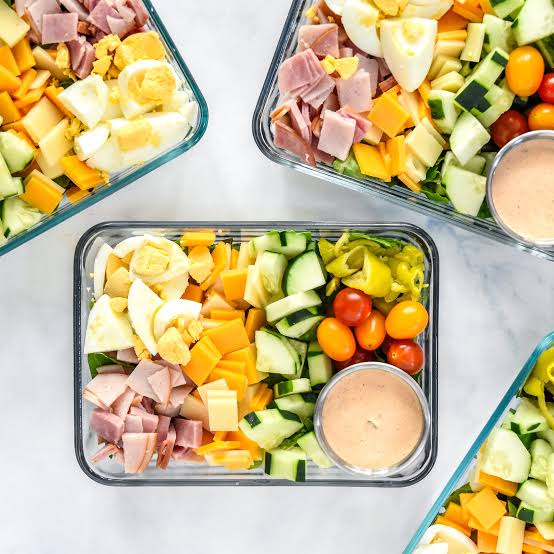
A simple way to improve your meals is to include different food groups.
A meal can include:
Vegetables or fruit
Whole grains or other carbohydrate-rich food
A protein source
A source of healthy fats
The exact proportions don’t have to be identical at every meal. Your needs depend on factors such as age, activity level, goals, and individual circumstances.
4. Enjoy Your Favorite Foods Without Guilt
Food isn’t only about nutrients.
It’s also connected to culture, celebrations, family, social occasions, pleasure, and memories.
So if you love chocolate, you don’t necessarily need to remove chocolate from your life to eat healthily.
Enjoy it.
The key is to avoid turning one enjoyable food into an excuse to abandon your overall healthy habits.
Enjoy → Move on → Return to your normal routine.
No guilt required.
How to Apply the 80/20 Rule to Your Everyday Meals
You do not have to completely change your diet to start eating more healthily. A simple approach is to look at your regular meals and ask yourself how you can make them more nutritious. For example, if you enjoy noodles, you could add vegetables and a source of protein such as eggs, tofu, or paneer. If you enjoy rice, you can pair it with dal, beans, vegetables, curd, or another protein-rich food. If you like sandwiches, you could include vegetables and a protein source rather than relying only on refined carbohydrates.
This approach is often easier than trying to eliminate foods completely because you are improving the nutritional value of meals while still keeping foods that you enjoy.
Enjoy Your Favourite Foods Without Feeling Guilty
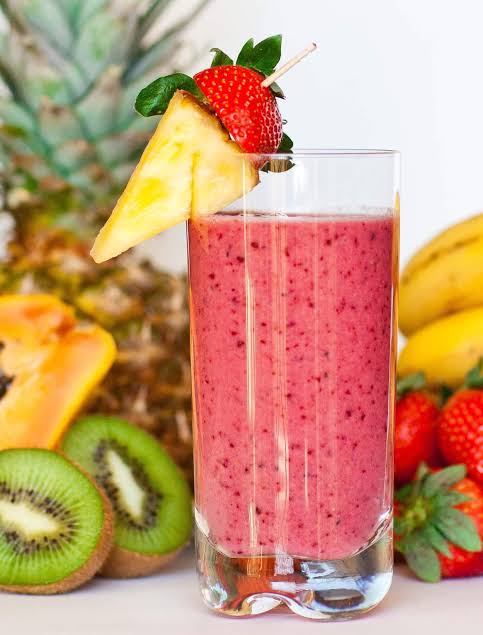
Food is much more than fuel for the body. It can be connected to celebrations, traditions, family gatherings, friendships, travel, and personal memories. Completely removing your favourite foods from your lifestyle may make healthy eating feel restrictive and difficult to maintain. If you enjoy chocolate, you do not necessarily have to eliminate chocolate from your life. If you enjoy pizza, you can have pizza occasionally. If your family celebrates a festival with traditional sweets, enjoying them can be part of that experience. The important thing is to maintain perspective and avoid turning one enjoyable meal into a reason to abandon your healthy habits. You can enjoy the food, appreciate the occasion, and simply return to your normal routine afterward.

Add Before You Subtract
A useful principle of the 80/20 approach is “add before you subtract.” Instead of constantly asking yourself which foods you should stop eating, start thinking about which nutritious foods you can add to your existing meals.
Add vegetables to lunch or dinner, include fruit during the day, add a protein source to your meals, choose whole grains when practical, and keep nutritious snacks available. When you build meals around nourishing foods, there may naturally be less room for foods that you want to eat less frequently.
This approach can feel much more positive because the focus is on what you can enjoy and include rather than constantly thinking about what you are not allowed to eat.
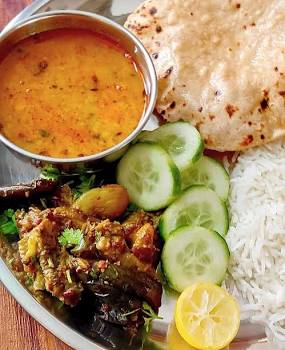
The 80/20 Approach With Indian Food
The 80/20 concept can easily be adapted to Indian food because Indian cuisine already offers a wide variety of nutritious ingredients and traditional meals.
Foods such as dal, rajma, chana, vegetables, fruits, curd, paneer, eggs, nuts, seeds, roti, rice, oats, poha, idli, and many other foods can form part of a balanced diet. A simple Indian meal might include dal with roti and vegetables, rice with rajma and salad, vegetable pulao with curd, or roti with paneer and vegetables. Breakfast could include poha with vegetables, idli with sambar, eggs with whole-grain toast, or oats with fruit and nuts.
At the same time, there can still be room for foods such as samosas, pizza, sweets, chocolate, or ice cream. Healthy eating does not require you to abandon your culture or favourite foods—it is about finding a balance that works for you.
A Simple Way to Start Today
You do not need to transform your entire lifestyle overnight. Start by making a few small changes that feel realistic. You could begin your day with a nutritious breakfast, drink water regularly, include vegetables and a protein source in your main meals, choose fruit or nuts as convenient snacks, and stay physically active. Then leave room for foods you genuinely enjoy. If you have a social dinner or eat your favourite dessert, there is no need to compensate by starving yourself the following day. Simply return to your usual balanced routine. The most important part is consistency. Small habits repeated regularly are generally easier to maintain than dramatic changes that you cannot realistically sustain.
HealthyFitLifestyle Tip
Don’t aim for a perfect diet—aim for a healthy lifestyle that you can actually enjoy. Your favourite foods do not automatically have to disappear just because you want to eat healthier. Focus on making nutritious foods the foundation of your meals, enjoy treats mindfully, and avoid feeling guilty about occasional indulgence. A healthy relationship with food should allow you to nourish your body while still enjoying the foods and experiences that make life enjoyable.
The Bottom Line
The 80/20 rule of healthy eating is ultimately about creating balance. Healthy eating does not mean that you have to avoid every food you love, follow a rigid meal plan, or feel guilty whenever you eat something less nutritious. Instead, make wholesome foods such as vegetables, fruits, whole grains, pulses, protein-rich foods, nuts, seeds, and other nutrient-rich options a regular part of your diet, while allowing yourself the flexibility to enjoy favourite foods from time to time. Remember that your health is influenced by your overall lifestyle and long-term habits, not by one meal, one dessert, or one day of eating. The healthiest approach is often the one that you can maintain consistently while still enjoying your food and your life.
At HealthyFitLifestyle, we believe that wellness should be balanced, practical, and sustainable—not restrictive. You don’t have to choose between enjoying your favourite foods and taking care of your health. With mindful choices, consistency, and a balanced approach, both can have a place in your lifestyle.
Eat Well. Move Well. Live Well.
Frequently Asked Questions
Is the 80/20 rule a strict diet?
No. The 80/20 rule is better understood as a flexible framework for thinking about your overall eating pattern. The 80% and 20% figures do not need to be calculated precisely every day.
Can I eat junk food and still follow a healthy lifestyle?
Occasional foods that are higher in calories, sugar, salt, or saturated fat can fit into an overall balanced eating pattern. The important thing is that these foods do not consistently replace nutritious foods in your diet.
Can the 80/20 approach help with weight management?
It can make healthy eating feel more flexible and sustainable, but weight change depends on several factors, including overall food intake, physical activity, sleep, genetics, and individual health circumstances. The 80/20 approach should not be considered a guaranteed weight-loss method.
Can I follow the 80/20 rule with Indian food?
Yes. You can use familiar Indian foods and meals while focusing on variety and nutritional balance. Dal, beans, vegetables, fruits, whole grains, dairy, eggs, nuts, and seeds can all contribute to a nutritious eating pattern.
What should I do after eating an unhealthy meal?
Don’t punish yourself or feel that you have failed. Simply continue with your normal routine at your next meal. One meal does not determine your overall eating pattern.