


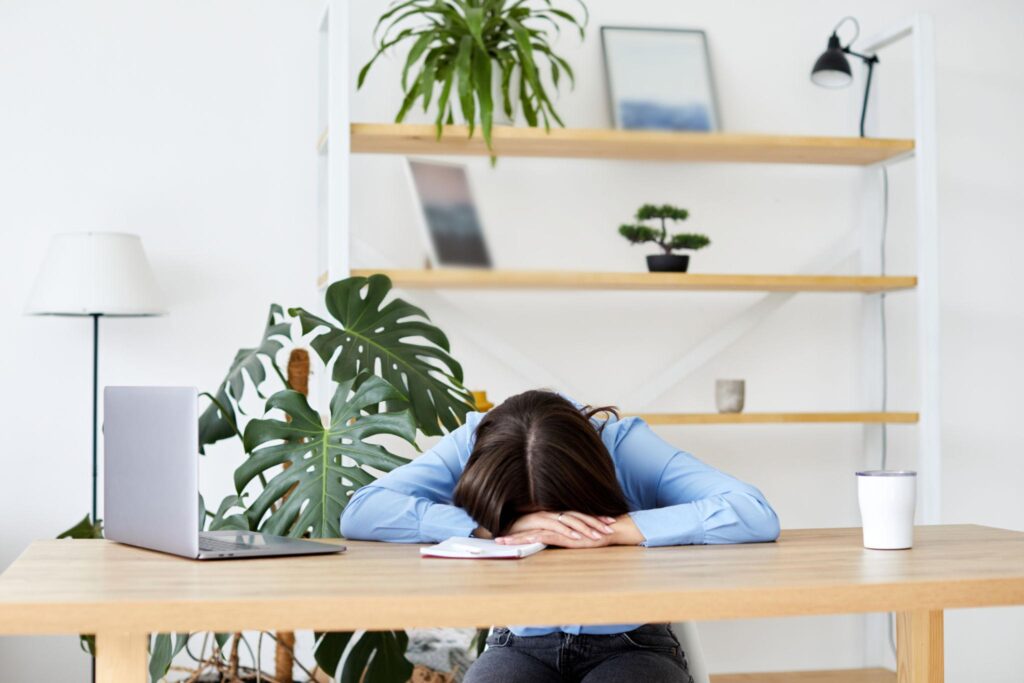
Feeling tired after a long day is normal. But what if you wake up tired, struggle to concentrate during the day, and constantly feel like you need coffee or a nap?
Your daily habits may be playing a bigger role than you realize.
While persistent fatigue can sometimes have an underlying medical cause, everyday lifestyle choices—including sleep, hydration, diet, physical activity, stress, and screen use—can also affect how energetic you feel. Sleep deficiency, for example, can contribute to daytime tiredness and problems with attention, memory, decision-making, and mood.
You’re Not Getting Enough Sleep

This may sound obvious, but sleep is often the first thing people sacrifice when life gets busy.
Late-night scrolling, work, studying, socializing, or binge-watching can gradually reduce your sleep time.
According to the CDC, most adults aged 18–60 need at least 7 hours of sleep per night, while teenagers generally need 8–10 hours.
Try this:
Set a consistent bedtime and wake-up time and give yourself enough time for sleep every night.
Your Sleep Schedule Is All Over the Place
You might sleep at 10:30 PM one night, 1:30 AM the next, and 11 PM on the weekend.
Your body has an internal clock known as the circadian rhythm, which follows an approximately 24-hour cycle and responds strongly to environmental cues such as light and darkness.
Constantly changing your schedule can make it harder for your body to maintain a predictable sleep-wake rhythm.
Try this:
Keep your bedtime and wake-up time relatively consistent, even on weekends.
You’re Not Drinking Enough Water


When you’re busy, it’s surprisingly easy to go through the day without drinking enough fluids.
Instead of waiting until you’re extremely thirsty, make hydration a regular part of your routine.
Try this:
Keep a water bottle nearby and drink regularly throughout the day. Your fluid needs can vary depending on factors such as activity, weather, diet, and individual health.
Your Meals Are Leaving You Feeling Sluggish
A diet dominated by highly processed foods, sugary snacks, or very large meals may leave some people feeling sluggish.
On the other hand, balanced meals containing protein, fiber-rich carbohydrates, healthy fats, fruits, and vegetables can provide a more nutritious foundation for sustained energy.
Try this:
Instead of reaching for another sugary snack when your energy drops, build balanced meals and snacks into your day.
A simple plate idea:
🥗 Vegetables + 🍚 whole-food carbohydrates + 🥚 protein + 🥑 healthy fats
You’re Sitting for Most of the Day


It sounds strange, but being inactive for long periods can make you feel even more sluggish.
Regular physical activity is an important part of a healthy lifestyle and can support sleep and overall well-being.
You don’t necessarily need an intense workout every day.
Try this:
- Take short walking breaks.
- Stretch between periods of sitting.
- Take the stairs when practical.
- Go for a daily walk.
- Add regular exercise that you enjoy.
Small amounts of movement can add up.
You’re Relying Too Much on Caffeine
☕ Coffee can feel like a quick solution when you’re tired—but it doesn’t replace sleep.
Caffeine is a stimulant and can interfere with sleep, particularly when consumed later in the day. The NHLBI notes that caffeine’s effects can last for several hours, potentially affecting nighttime sleep.
This can create a cycle:
Poor sleep → caffeine → difficulty sleeping → poor sleep → more caffeine
Try this:
Pay attention to how late-day caffeine affects your sleep and consider limiting caffeine later in the day.
You Don’t Get Enough Daylight


Your body clock takes cues from the environment, and light is one of its most important signals. Getting outside during the day can help reinforce your daily sleep-wake rhythm.
Try this:
Spend some time outdoors during the day, particularly earlier in the day when possible.
A simple morning walk can combine daylight + movement—two healthy habits in one.
You’re Carrying Too Much Stress
Stress doesn’t always stay in your mind—it can affect your ability to relax and sleep.
Constant worrying about work, studies, finances, relationships, or everyday responsibilities can make it difficult to switch off at night. Stress is also recognized as a risk factor for insomnia.
Try this before bed:
Write down tomorrow’s tasks
Practice a few minutes of relaxation
Read something calming
Step away from stimulating content
Give yourself permission to slow down
When Should You Take Constant Tiredness Seriously?
Occasional tiredness is normal. But if you’re regularly exhausted despite getting enough sleep, or your fatigue is affecting your daily life, it’s worth talking with a healthcare professional.
Persistent daytime sleepiness can sometimes be related to sleep disorders or other medical issues, so don’t assume that lifestyle changes are always the answer
Quick Frequently asked questions (FAQs)
Why am I tired even after sleeping?
If you regularly feel tired after what seems like enough sleep, the issue may involve sleep quality, an irregular sleep schedule, stress, lifestyle factors, or an underlying health condition.
How many hours should I sleep?
Most adults aged 18–60 should get at least 7 hours per night. Teenagers generally need 8–10 hours.
Does drinking water give you more energy?
Adequate hydration supports normal body function, while dehydration can contribute to feeling unwell. Drinking fluids regularly is an important part of a healthy lifestyle.
Is coffee a good way to fight tiredness?
Caffeine can temporarily increase alertness, but it doesn’t replace adequate sleep. Consuming caffeine later in the day can also interfere with sleep for some people.
HealthyFitLifestyle Tip
Don’t wait until you’re exhausted to start taking care of your energy. Build the habits that protect it every day.