
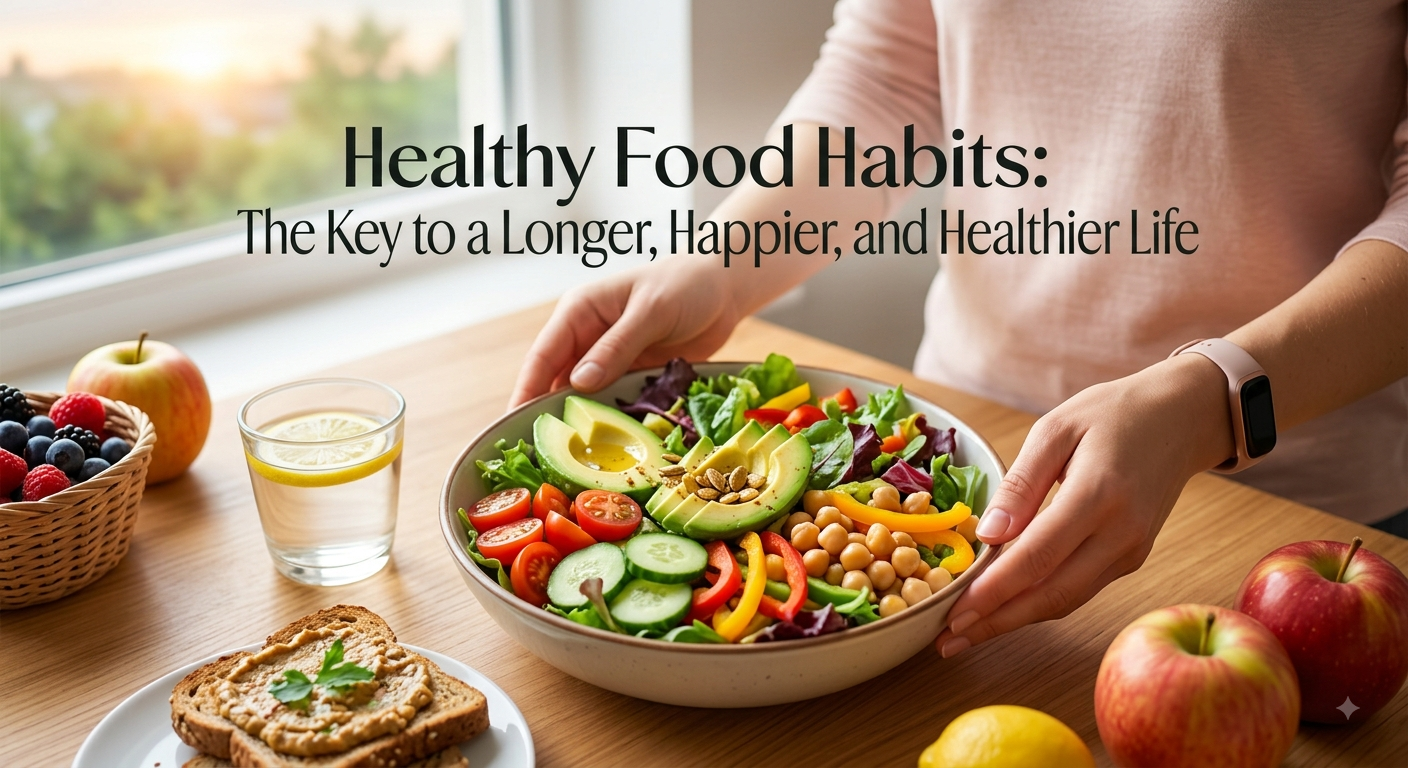

“You are what you eat.” This timeless saying reminds us that the food we consume every
day shapes not only our physical health but also our mental well-being, energy levels, and
overall quality of life.
In today’s fast-paced world, eating has become more about convenience than nourishment.
Busy schedules, processed foods, fast-food culture, irregular meal timings, and excessive
consumption of sugary beverages have gradually replaced balanced, home-cooked meals.
While these habits may seem harmless in the short term, they can significantly increase the
risk of obesity, diabetes, heart disease, digestive disorders, and many other lifestyle-related
illnesses.
Good health is not achieved through occasional dieting or avoiding your favorite foods.
Instead, it is built through consistent healthy food habits that nourish the body every day.
Developing mindful eating practices and making informed food choices can transform your
health, improve productivity, and enhance your overall well-being.
At Healthy Fit Life Style, we believe that adopting healthy food habits is one of the most
powerful investments you can make for yourself and your family.
What Are Healthy Food Habits?
Healthy food habits refer to the regular practice of consuming nutritious, balanced meals
while maintaining appropriate portion sizes, meal timings, and hydration. These habits focus
not only on what we eat but also how, when, and why we eat.
Healthy eating is about creating a sustainable lifestyle rather than following restrictive diets.
It encourages variety, moderation, and consistency.
Some characteristics of healthy food habits include:
Eating fresh and minimally processed foods
Consuming a balanced diet with all essential nutrients
Eating meals at regular intervals
Staying hydrated throughout the day
Limiting excessive sugar, salt, and unhealthy fats
Practicing mindful eating without distractions
These simple habits provide the body with the nutrients it needs to function efficiently.
Why Healthy Food Habits Matter
Every meal influences your body’s ability to perform daily activities, fight diseases, and
recover from physical and mental stress.
Nutritious foods provide essential vitamins, minerals, proteins, carbohydrates, healthy fats,
and fiber that support growth, repair, and overall health.
On the other hand, poor eating habits can contribute to:
Weight gain
Nutritional deficiencies
Fatigue
Digestive issues
High cholesterol
Diabetes
Hypertension
Reduced immunity
Healthy eating is therefore one of the most effective preventive measures against chronic
diseases.
The Benefits of Healthy Food Habits
Improved Energy Levels
Balanced meals provide a steady supply of energy throughout the day. Unlike sugary snacks
that cause rapid spikes and crashes in blood sugar, nutritious foods help maintain consistent
energy levels.
Stronger Immunity
A diet rich in fruits, vegetables, nuts, seeds, and whole grains supplies antioxidants and
essential nutrients that strengthen the immune system and help the body resist infections.
Better Weight Management
Healthy eating combined with regular physical activity supports sustainable weight
management without extreme dieting.
Improved Digestive Health
Foods rich in dietary fiber such as vegetables, fruits, legumes, and whole grains promote
healthy digestion and support beneficial gut bacteria.
Better Mental Health
Emerging research suggests that nutrition plays an important role in brain function and
emotional well-being. Balanced diets rich in omega-3 fatty acids, whole grains, fruits, and
vegetables may support better mood, concentration, and cognitive performance.
Essential Healthy Food Habits Everyone Should Follow
- Never Skip Breakfast
Breakfast provides the energy needed to start the day. A nutritious breakfast containing whole
grains, fruits, protein, and healthy fats improves concentration and productivity. - Eat More Fruits and Vegetables
Aim to include colorful fruits and vegetables in every meal. They are rich in vitamins,
minerals, fiber, and antioxidants that support overall health. - Stay Hydrated
Water is essential for digestion, circulation, temperature regulation, and nutrient transport.
Most adults benefit from drinking adequate water throughout the day, though individual
needs vary depending on activity level and climate. - Control Portion Sizes
Healthy eating is not only about choosing nutritious foods but also about eating appropriate
quantities. Overeating, even healthy foods, can contribute to weight gain. - Reduce Processed Foods
Limit foods that are high in added sugars, refined carbohydrates, trans fats, and sodium.
Instead, choose whole foods whenever possible. - Include Protein in Every Meal
Protein supports muscle repair, immune function, and satiety.
Healthy sources include:
Lentils
Beans
Eggs
Fish
Lean poultry
Dairy products
Soy products
Nuts and seeds - Practice Mindful Eating
Avoid eating while watching television or scrolling through your phone.
Eat slowly, chew thoroughly, and pay attention to hunger and fullness signals.
Mindful eating often leads to better digestion and healthier food choices.
Common Food Habits to Avoid
Some everyday habits can negatively impact health without us realizing it.
Avoid:
Eating late at night regularly
Skipping meals
Drinking excessive sugary beverages
Frequent consumption of fast food
Emotional eating during stress
Eating too quickly
Excessive consumption of packaged snacks
Drinking insufficient water
Replacing these habits gradually with healthier alternatives can make a significant difference.
Building Healthy Food Habits for Children
Healthy habits begin early in life.
Parents can encourage better nutrition by:
Preparing home-cooked meals
Offering fruits as snacks
Limiting sugary drinks
Eating meals together as a family
Involving children in grocery shopping and meal preparation
Setting a positive example through their own eating habits
Children who develop healthy food habits early are more likely to maintain them into
adulthood.
Food Habits and Overall Wellness
Healthy eating works best when combined with other wellness practices.
Support good nutrition by:
Exercising regularly
Getting adequate sleep
Managing stress effectively
Avoiding tobacco products
Limiting alcohol consumption
Scheduling regular health check-ups
Together, these habits create a holistic approach to lifelong health.
Small Changes Lead to Big Results
Many people believe healthy eating requires dramatic lifestyle changes. In reality, lasting
improvements often begin with small, consistent actions.
Start by:
Adding one extra serving of vegetables each day.
Replacing sugary drinks with water.
Choosing whole grains instead of refined grains.
Preparing one healthy homemade meal daily.
Reading nutrition labels before purchasing packaged foods.
These simple adjustments become powerful habits over time.
Healthy food habits are not about perfection—they are about making better choices
consistently. Every nutritious meal strengthens your body, improves your energy, supports
mental well-being, and reduces the risk of chronic diseases.
In a world where unhealthy food options are easily accessible, choosing wholesome, balanced
meals is one of the greatest acts of self-care. Good nutrition not only helps you feel better
today but also lays the foundation for a healthier future.
At Healthy Fit Life Style, we encourage everyone to embrace healthy eating as a lifelong
journey rather than a temporary goal. By making mindful food choices, staying hydrated, and
maintaining balanced nutrition, you can enjoy greater vitality, improved immunity, and a
higher quality of life.
Remember, every healthy bite is a step toward a healthier you. Start building healthy
food habits today, and let your plate become the foundation of a happier, stronger, and
more fulfilling life.